Xiaomi 17 Ultra – Largest Camera Sensor , Everything You Need to Know
Table of Contents
Revolutionary Camera Technology Aims to Redefine Mobile Photography Standards
The smartphone camera race just escalated dramatically. Xiaomi is preparing to launch the 17 Ultra, which is rumored to feature the largest camera sensor ever found in a smartphone, according to reliable industry tipster Digital Chat Station. If accurate, this development could fundamentally change what’s possible with mobile photography, potentially eliminating the performance gap between smartphones and dedicated cameras.
What Makes This Camera System Special
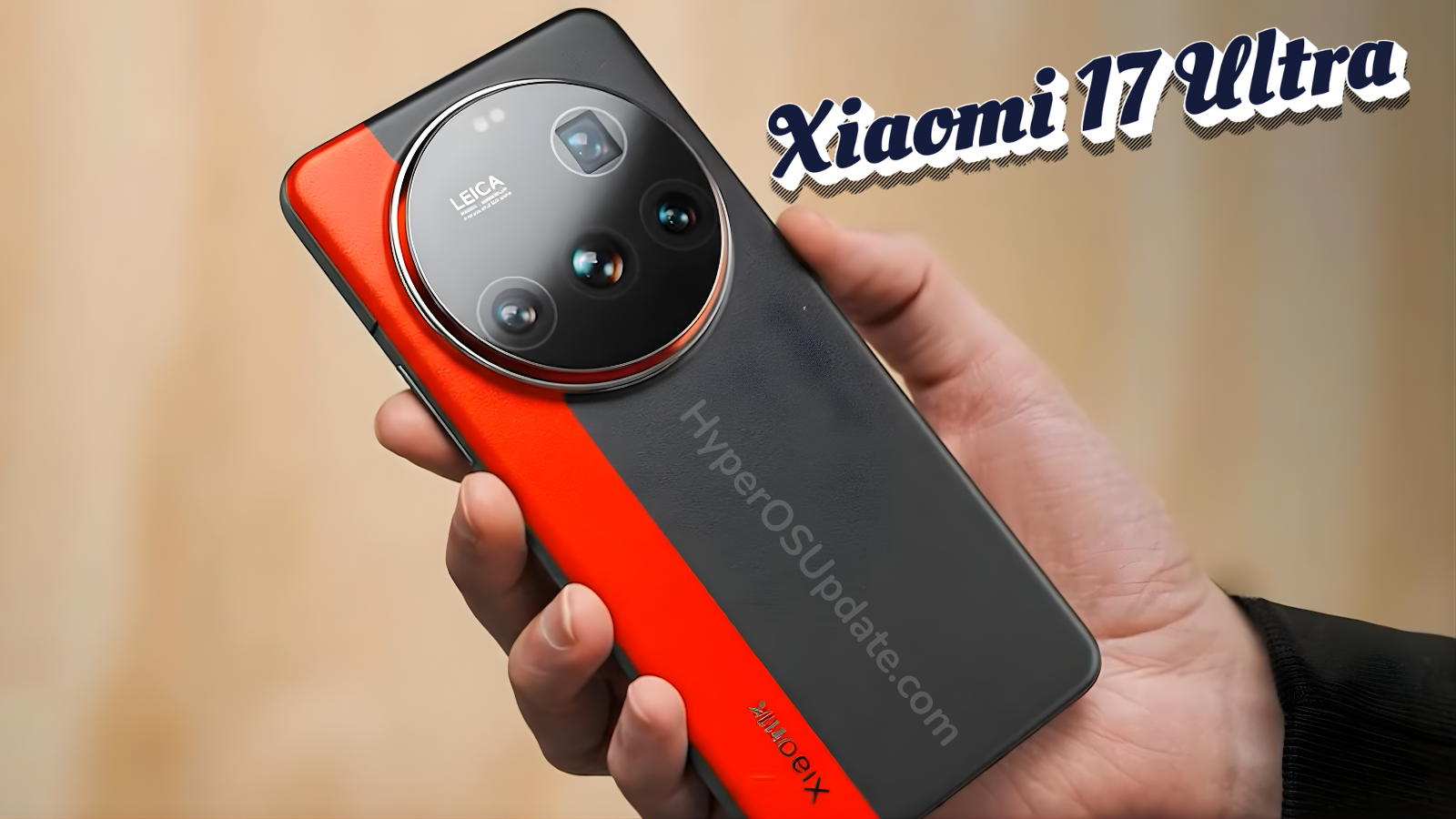
The Xiaomi 17 Ultra’s camera hardware represents a significant leap beyond current flagship capabilities. The device will feature a large 50MP main camera with improved in-sensor zoom capabilities, paired with groundbreaking optics. But the real showstopper is the telephoto system: a new 200-megapixel large-sensor periscope camera, supporting multiple focal lengths without loss in image quality.
This quad-camera setup goes beyond megapixel counts. The primary camera will have a very high dynamic range, while the periscope telephoto unit will feature a new optical technology that promises unprecedented versatility. The larger sensor means dramatically improved low-light performance, better depth perception, and more detailed images—especially important as users increasingly rely on smartphones as their primary cameras.
Technical Specifications and Performance Features
Under the hood, the device is expected to include a new 200MP periscope lens and will likely share the flagship Snapdragon 8 Elite Gen 5 chipset and 6.9-inch display with the Xiaomi 17 Pro Max. The Snapdragon 8 Elite Gen 5 delivers 20% better CPU performance with 35% improved efficiency compared to its predecessor, ensuring the device can handle intensive computational photography tasks without lag.
Xiaomi has registered two versions of the device at Chinese certification platforms, carrying model numbers 2512BPNDAC and 25128PNA1C, with the higher-end variant featuring Tiantong satellite calling and Beidou short message communication—capabilities that could prove invaluable for emergency communications in remote areas.
What This Means for Smartphone Photography
Larger camera sensors capture more light, producing images with better color accuracy, reduced noise, and improved dynamic range (the ability to capture detail in both bright and dark areas simultaneously). For everyday users, this translates to better photos in challenging conditions—sunset portraits, indoor events, or nighttime cityscapes—without relying solely on software processing.
The 200MP periscope telephoto lens addresses another common smartphone limitation: zoom quality. Current flagship phones typically offer 5x optical zoom before image quality degrades. The 17 Ultra’s advanced periscope system promises lossless zoom across multiple focal lengths, matching or exceeding what traditional cameras offer.
Launch Timeline and Availability
The Xiaomi 17 Ultra may still be over a month away from receiving an official release, with model numbers indicating the device will arrive in December 2025. However, Xiaomi fans in the UK could still be waiting until February/March 2026 before getting their hands on one of the new Xiaomi 17 devices, following the company’s typical pattern of staggered global launches.
The anticipated pricing remains competitive for flagship territory, with pricing speculated to start around 6,000 Yuan (~$845) for the base variant—significantly lower than comparable camera-focused flagships from competitors.
Competition and Market Impact
This camera push comes as manufacturers battle for photography supremacy. The Xiaomi 17 Ultra will compete directly against the upcoming Oppo Find X9 Ultra, Honor Magic8 Pro, and Vivo X300 Ultra—all featuring ambitious camera systems. Samsung’s Galaxy S25 Ultra and Apple’s iPhone 17 Pro series will also feel pressure to innovate.
For consumers, this competition drives innovation without necessarily increasing prices. The smartphone camera has already replaced point-and-shoot cameras for most users; devices like the Xiaomi 17 Ultra could finally challenge more expensive mirrorless cameras for casual photography needs.
The Bottom Line
The Xiaomi 17 Ultra represents mobile photography’s next evolution—not through artificial intelligence tricks, but through fundamental hardware improvements. Whether you’re a photography enthusiast frustrated by smartphone limitations or a casual user wanting better vacation photos, this level of camera hardware in a pocketable device changes what’s possible.
As smartphone cameras continue improving at this pace, the question isn’t whether they’ll match dedicated cameras, but when professional photographers will leave their heavy gear at home.